
Open industrial chiller tube head during equipment condition review

Equipment guide

Industrial Chiller Types

Type changes the buyer pool, condition evidence, disassembly method, transport approach, and value discussion. Identify both the heat-rejection configuration and compressor technology before comparing options.

Heat rejectionAir / water
CompressionMultiple types
DecisionUse + logistics
Response pathDocumented review
01

Air-cooled and water-cooled describe the system context

Air-cooled chillers reject heat through outdoor coils and fans. Water-cooled chillers typically connect to condenser-water systems and cooling towers. That distinction affects placement, included equipment, weather exposure, disconnection, lifting, and buyer fit.

Provide photographs of coils, fans, tube heads, pumps, starters, drives, panels, and all accessories offered with the machine. State whether associated towers or pumps are included or handled separately.

  • Air-cooled packaged units
  • Water-cooled central plant chillers
  • Evaporative or hybrid configurations
  • Trailer-mounted and temporary packages
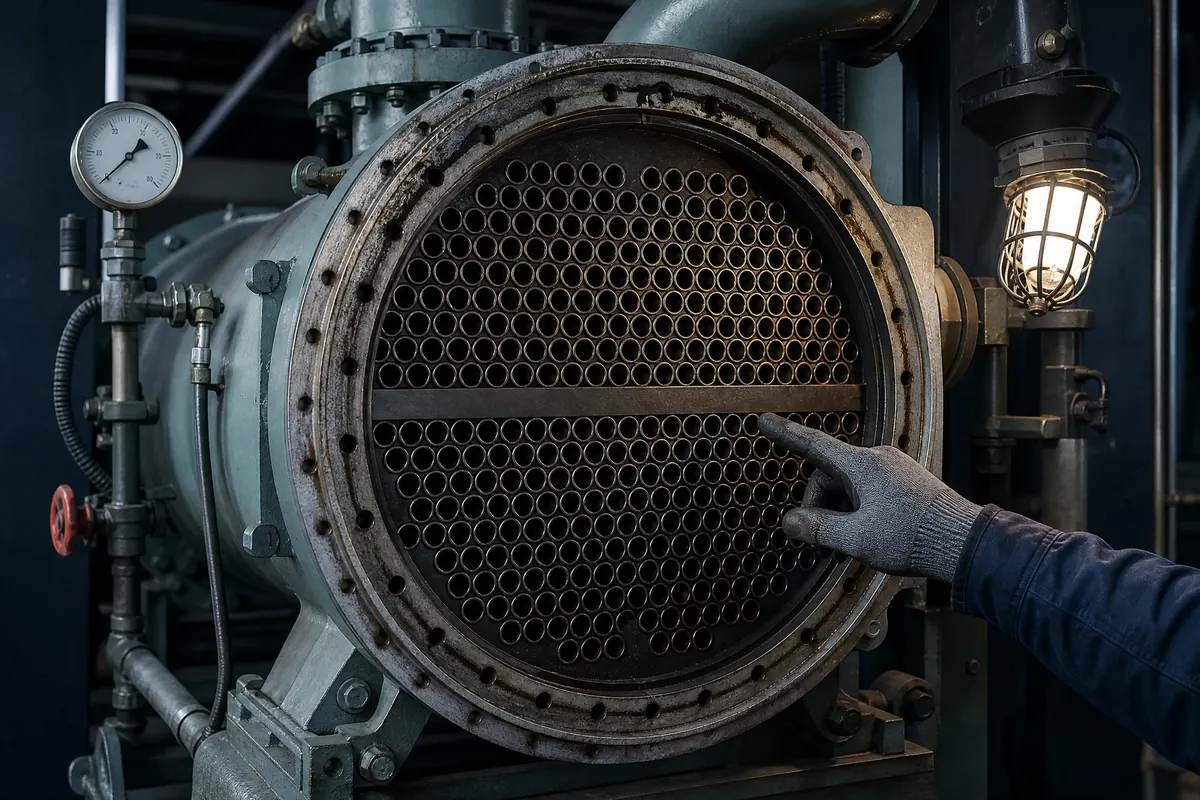
Industrial Chiller Types inspection and project-planning evidence
FIELD NOTE Document the condition you can show, and label what still needs verification.
02

Compressor technology changes the review

Centrifugal, screw, scroll, reciprocating, absorption, and oil-free magnetic-bearing systems have different service histories, component values, operating evidence, and reuse considerations. Modular systems also require a complete module and control inventory.

The exact model matters more than a broad category. Document compressor count, motor or drive arrangement, controls, refrigerant, starts or hours when available, service events, and known faults.

  • Centrifugal
  • Rotary screw
  • Scroll and modular
  • Absorption
  • Oil-free magnetic-bearing
03

Match type to disposition and removal method

A packaged air-cooled unit at grade may be close to transport-ready. A large water-cooled machine inside a central plant may require disassembly, specialized movement, or structural planning. A modular plant may move in sections but require careful inventory and protection.

Use equipment type as the beginning of the review. Condition, completeness, access, schedule, location, and current market demand still determine the commercial result.

DECISION RECORD / core

Evidence-to-terms sequence

Turn technical facts and open assumptions into a documented commercial next step.

A-01Heat rejectionAir / water
B-02CompressionMultiple types
C-03DecisionUse + logistics
01Identify
02Verify
03Price
04Confirm

Review package

Type-identification checklist

Use this as a practical first-pass checklist. Additional information may be requested when the machine, access, or field scope is complex.

  1. 01

    Manufacturer, model and complete nameplate

  2. 02

    Air-cooled or water-cooled configuration

  3. 03

    Compressor type and quantity

  4. 04

    Refrigerant, voltage and controls

  5. 05

    Included pumps, drives, starters and accessories

  6. 06

    Overall dimensions, weight if known and current location

Four-part review

Keep every controlling assumption visible.

The commercial result is more useful when the equipment, field method, timing, and handoff condition are discussed on the same page.

A / ASSET

Machine

Identification, capacity, configuration, condition, completeness and operating evidence.

B / PATH

Access

Elevation, openings, structural route, lifting area, staging and truck approach.

C / CONTROL

Facility

Shutdown, security, work hours, occupied areas, permits, housekeeping and owner rules.

D / HANDOFF

Scope

Responsibilities, delivery condition, loading, freight, schedule, closeout and open assumptions.

Project questions

What teams ask before committing.

What information should I send first?+

Send the manufacturer, model, serial number, nominal tonnage, refrigerant, voltage, approximate year, operating status, equipment and nameplate photographs, location, desired timing, and a short description of the removal path. Complete information helps separate equipment value from field cost.

Can removal cost be separated from the equipment offer?+

Yes. A documented proposal may distinguish gross equipment value, field and transportation cost, and the resulting net position. The structure depends on the machine, site access, schedule, and intended disposition path.

Do you review non-operational chillers?+

Yes. Non-operational equipment may still have rebuild, component, resale, or recycling value. Disclose known damage and missing components so the review is based on the correct condition.

Start with the facts

Send the machine and site details.

We will review the equipment, access, timing, and likely disposition path before discussing a firm commercial step.

Start the review
Call about a chiller you want to sell954-740-1983