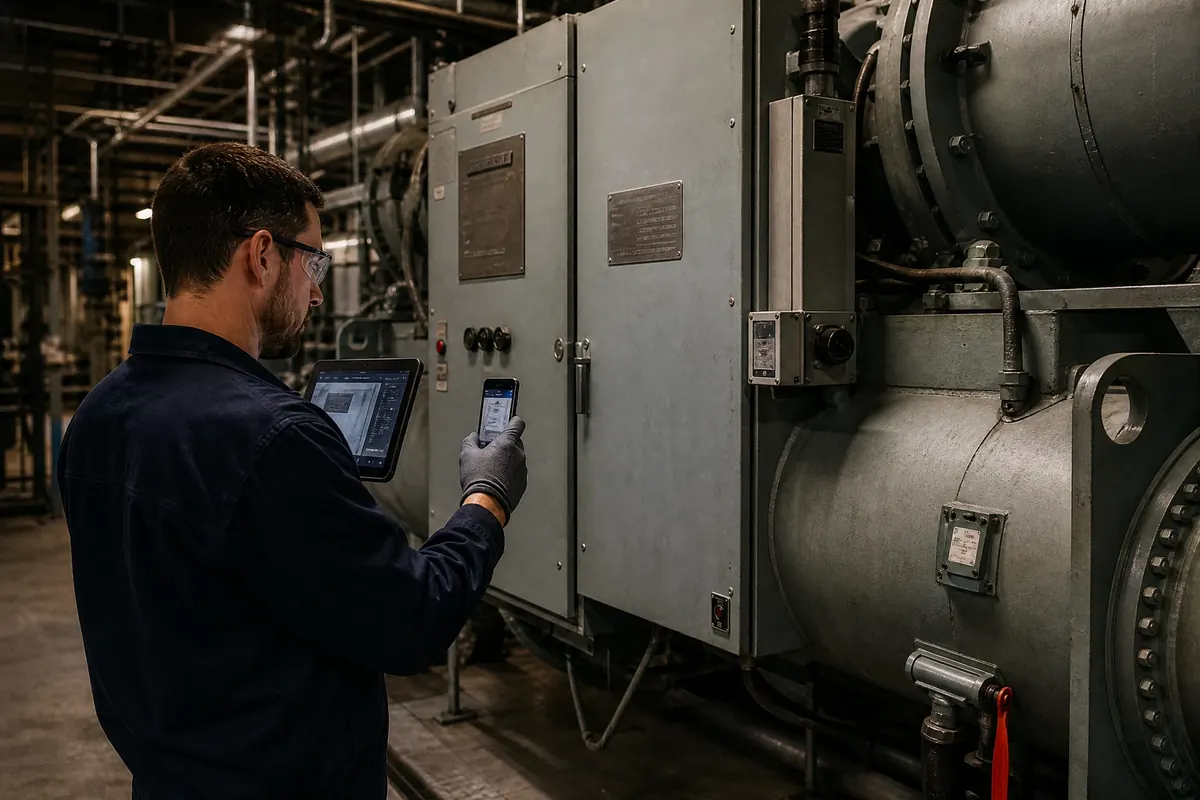
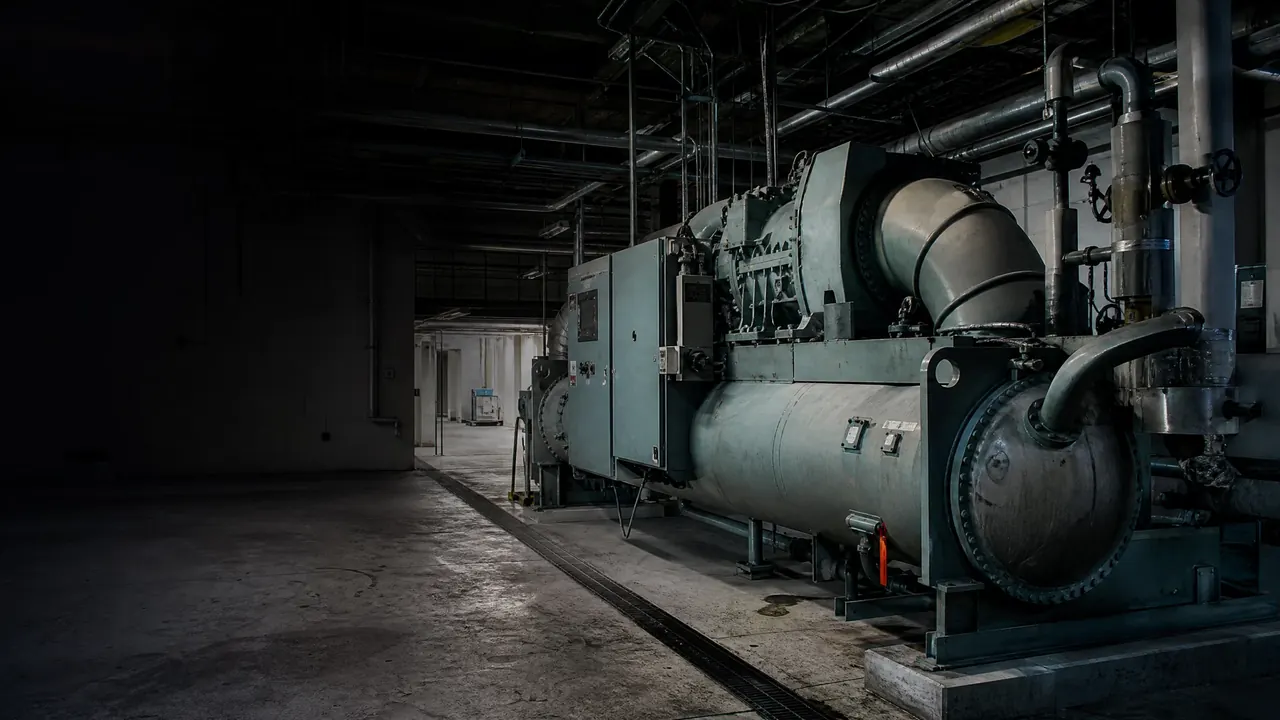
Large industrial chiller inside a mechanical plant serving hospitals

Industry project planning

Industrial Chiller Projects for Hospitals

Hospitals projects often place occupied-space protection, infection-control coordination, redundancy, noise, work hours, and reliable temporary cooling plans ahead of the physical lift. The equipment review and removal method should be built around the facility’s operating controls.

FacilityHospitals
PriorityOperational control
ReviewAsset + field scope
Response pathDocumented review
01

Document the cooling asset and its operating role

The project package should identify each chiller, its system role, current operating status, isolation condition, redundancy assumptions, replacement sequence, and the date it can be released. In hospitals, the timing of physical removal may depend on commissioning, temporary cooling, validation, or owner acceptance activities.

Equipment photographs, nameplates, controls, service information, and known defects support the asset review. Current drawings and a clear description of connected systems support the field review.

  • Unit-by-unit equipment schedule
  • Operating and release status
  • System dependencies
  • Replacement and shutdown sequence
Industrial Chiller Projects for Hospitals inspection and project-planning evidence
FIELD NOTE Document the condition you can show, and label what still needs verification.
02

Build the method around facility controls

A representative planning scenario is removing mechanical equipment from an occupied care environment with restricted access and critical cooling requirements. The removal team should understand orientation, escorts, work-hour limits, access controls, permits, housekeeping, temporary barriers, lifting restrictions, and communication requirements before mobilization.

For hospitals, scope gaps can affect operations even when the mechanical work appears straightforward. Assign responsibility for system isolation, refrigerant, electrical work, piping, structural review, lifting, transport, restoration, and closeout.

  • occupied-space protection
  • infection-control coordination
  • redundancy
  • noise
  • work hours
  • reliable temporary cooling plans
03

Compare disposition paths on the same assumptions

Intact resale, refurbishment, major-component recovery, net-value removal, and recycling may require different field methods. Compare each option using the same equipment condition, access path, schedule, owner responsibilities, and delivery condition.

A documented basis allows the facility team to evaluate the commercial result without losing sight of operational risk. Calculator outputs can support early planning, but a firm scope follows verified machine and site information.

OPERATING BOUNDARY / industry

Facility continuity record

Map production or occupancy controls before equipment work enters the schedule.

A-01FacilityHospitals
B-02PriorityOperational control
C-03ReviewAsset + field scope
01Duty
02Shutdown
03Protection
04Release

Review package

Planning package for hospitals

Use this as a practical first-pass checklist. Additional information may be requested when the machine, access, or field scope is complex.

  1. 01

    Equipment schedule and current operating role

  2. 02

    Release date, shutdown sequence and temporary cooling assumptions

  3. 03

    Access, security, work-hour and occupied-area controls

  4. 04

    Isolation, recovery and disconnect responsibilities

  5. 05

    Movement path, lifting area and transport access

  6. 06

    Required housekeeping, restoration and closeout records

Four-part review

Keep every controlling assumption visible.

The commercial result is more useful when the equipment, field method, timing, and handoff condition are discussed on the same page.

A / ASSET

Machine

Identification, capacity, configuration, condition, completeness and operating evidence.

B / PATH

Access

Elevation, openings, structural route, lifting area, staging and truck approach.

C / CONTROL

Facility

Shutdown, security, work hours, occupied areas, permits, housekeeping and owner rules.

D / HANDOFF

Scope

Responsibilities, delivery condition, loading, freight, schedule, closeout and open assumptions.

Project questions

What teams ask before committing.

Can a chiller be reviewed before the hospitals shutdown date is final?+

Yes. A preliminary review can begin with machine and access documentation. Firm mobilization, transport, and commercial commitments depend on a confirmed release date and defined responsibilities.

Can equipment value offset the removal scope?+

It may. The equipment value and project cost should be reviewed independently, then combined into a net position using the same condition, access, schedule, and delivery assumptions.

Do you review non-operational chillers?+

Yes. Non-operational equipment may still have rebuild, component, resale, or recycling value. Disclose known damage and missing components so the review is based on the correct condition.

Start with the facts

Send the machine and site details.

We will review the equipment, access, timing, and likely disposition path before discussing a firm commercial step.

Start the review
Call about a chiller you want to sell954-740-1983