
DIRECT ANSWER
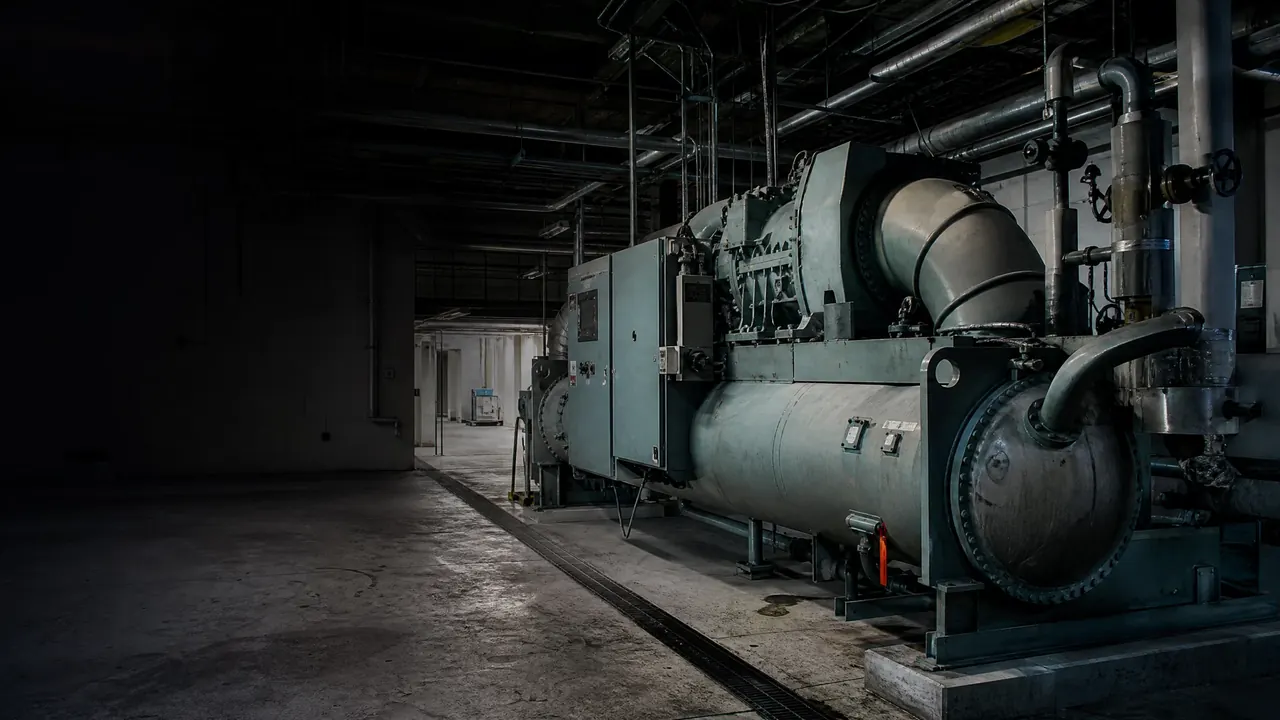
Selling a used industrial chiller requires a systematic approach to asset valuation, documentation, and safe decommissioning. The process begins with gathering the chiller's original submittals, service logs, and nameplate data to establish its exact specifications and operational history. Facility managers must then assess the current market demand for the specific tonnage, compressor type, and refrigerant. Connecting with reputable used equipment dealers or direct buyers depends heavily on transparent condition reporting and verifiable maintenance records. Once a buyer is secured, the seller must coordinate the safe isolation, refrigerant recovery, electrical disconnection, and physical removal of the unit. It is critical to recognize that this process does not guarantee a specific resale price or a rapid transaction. Furthermore, all physical work—including refrigerant handling, electrical disconnection, and heavy rigging—must be performed by qualified contractors in strict accordance with site-specific safety protocols and environmental regulations. Proper planning minimizes facility disruption while maximizing the potential return on the surplus asset.
Compiling Equipment Documentation and Specifications
The foundation of selling any used industrial chiller is a comprehensive documentation package. Buyers in the secondary market require precise technical specifications to determine if the unit fits their cooling load and facility constraints. Start by photographing the manufacturer's nameplate, which provides the model number, serial number, tonnage, voltage, phase, and refrigerant type. Beyond the nameplate, gather the original submittal documents, installation manuals, and any factory test reports. These documents prove the chiller's baseline capabilities and help prospective buyers engineer their integration plans.
Equally important is the equipment's operational and maintenance history. A well-documented service log demonstrates that the chiller was maintained according to the manufacturer's recommendations, which significantly increases its appeal. Compile records of oil analysis reports, eddy current tests on the heat exchanger tubes, refrigerant leak repairs, and any major component replacements, such as compressor overhauls or variable frequency drive (VFD) upgrades. Transparent disclosure of the chiller's operating hours and number of starts provides buyers with a realistic expectation of the remaining lifespan.
Evaluating Market Demand and Valuation Factors
The secondary market for industrial chillers fluctuates based on supply chain dynamics, seasonal cooling demands, and regulatory shifts. Air-cooled chillers often move faster than water-cooled models due to their easier installation and lack of reliance on cooling towers, making them attractive for emergency replacements. However, large-tonnage water-cooled centrifugal chillers remain in demand for major central plants and industrial processes. The type of refrigerant also plays a critical role in valuation; chillers utilizing phased-out refrigerants like R-22 or those facing strict phasedowns will have a limited buyer pool and lower resale value compared to units using modern, low-GWP alternatives.
Valuation is not an exact science and depends heavily on the unit's age, condition, and location. Sellers must remain realistic about pricing, as buyers factor in the substantial costs of rigging, freight, and reinstallation. Engaging with established used equipment dealers can provide a faster transaction, though typically at a wholesale price. Alternatively, selling directly to an end-user might yield a higher return but requires more marketing effort and carries the risk of a prolonged sales cycle while the buyer secures project funding and engineering approvals.
Marketing and Buyer Outreach Strategies
Reaching the right audience requires targeted marketing efforts that highlight the chiller's technical strengths. Create a detailed equipment listing that includes high-resolution photographs of the chiller from multiple angles, focusing on the control panel, compressors, condenser coils, and evaporator barrels. Include a video of the chiller operating under load, if possible, as this serves as powerful proof of functionality. The listing should clearly state the unit's availability date, footprint dimensions, and shipping weight to help buyers calculate logistics costs.
Distribute the listing through industry-specific surplus equipment platforms, broker networks, and direct outreach to mechanical contractors who may have clients in need of immediate cooling solutions. When communicating with potential buyers, maintain a professional, evidence-first approach. Avoid making subjective claims about the chiller's condition; instead, provide the raw data, oil sample results, and maintenance logs, allowing the buyer's engineering team to make their own technical assessment. Clear communication regarding the terms of sale, such as 'as-is, where-is,' helps prevent disputes later in the transaction.
Decommissioning, Rigging, and Safe Removal
Once a transaction is agreed upon, the physical removal of the chiller must be executed with precision and adherence to safety regulations. The decommissioning process begins with the proper recovery of the refrigerant charge by EPA-certified technicians. This step is heavily regulated, and strict documentation of the recovery process must be maintained. Following refrigerant removal, licensed electricians must safely disconnect and lock out the power supply, while mechanical contractors isolate and drain the chilled water and condenser water piping.
The physical extraction of the chiller requires specialized rigging contractors experienced in handling heavy, delicate machinery. Chillers often have specific lifting points and require spreader bars to prevent structural damage during hoisting. The rigging plan must account for facility access routes, floor load capacities, and potential overhead obstructions. Sellers must coordinate closely with the buyer's logistics team to ensure that the transport vehicle is appropriate for the chiller's dimensions and weight, and that all site-specific safety and insurance requirements are met before the equipment leaves the facility.
Decision table
Questions that change the plan.
Does the chiller use a modern, compliant refrigerant or a phased-out chemical?
Phased-out refrigerants drastically reduce buyer interest and resale value due to future scarcity and regulatory bans.
Are comprehensive service logs and testing reports available for the unit?
Documented maintenance proves reliability, whereas missing logs force buyers to assume worst-case scenarios and discount offers.
Is the unit an air-cooled or water-cooled chiller?
Air-cooled units typically sell faster for temporary or emergency use, while water-cooled units require specific central plant infrastructure.
Is the chiller located in an easily accessible area or a restricted mechanical room?
Complex extractions requiring cranes, roof removals, or wall demolition significantly increase buyer costs and reduce the net return.
Field checklist
Prepare the record before the work.
- 01
Verify and photograph the manufacturer's nameplate data, including model, serial number, and electrical requirements
- 02
Compile all historical maintenance logs, oil analysis reports, and eddy current testing results
- 03
Determine the current refrigerant type and assess its impact on market demand and regulatory compliance
- 04
Take high-resolution photographs of the chiller, including compressors, control panels, and heat exchangers
- 05
Define the terms of sale clearly, specifying whether the price includes decommissioning and loading
- 06
Coordinate a comprehensive rigging and transport plan with qualified heavy machinery contractors
Common questions
Before the next step.
How much is my used industrial chiller worth?+
Valuation depends on age, tonnage, refrigerant type, condition, and market demand. Sellers should expect wholesale pricing if selling to dealers, as buyers must factor in the high costs of rigging, freight, and reinstallation.
Do I need to provide a warranty when selling a used chiller?+
Used industrial chillers are almost universally sold on an "as-is, where-is" basis. Sellers provide operational history and maintenance data, but the buyer assumes the risk once the transaction is completed.
Who is responsible for the cost of removing the chiller?+
Removal costs are negotiable, but in an "as-is, where-is" sale, the buyer is typically responsible for hiring qualified contractors to decommission, rig, and transport the equipment from the facility.
Can I sell a chiller that is currently non-operational?+
Yes, non-operational chillers can be sold, but they are generally valued only for their salvageable parts or scrap metal weight. Transparent disclosure of the specific failures is required to attract rebuilders or parts dealers.